
Imbalance Management: What Is It, and How Does Covolt Do It?

In this article, we explain exactly what imbalance control is, why it’s so important for flexible capacity, and how Covolt implements it for your facility.
Day-ahead optimization
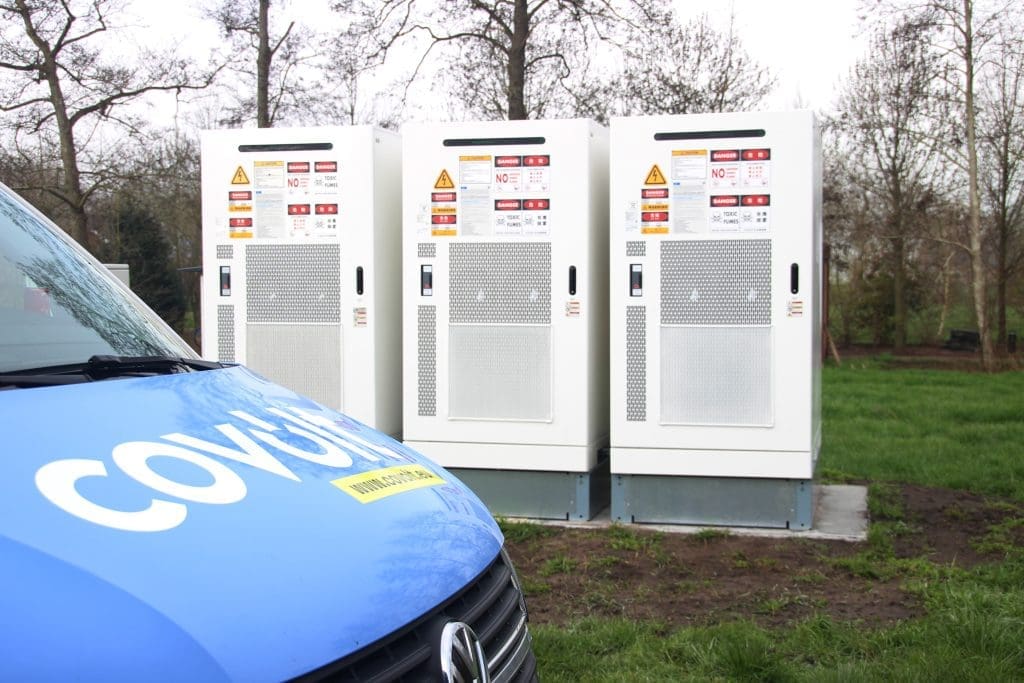
A battery system is only truly valuable if it charges and discharges at the right time—not just any time, but precisely when conditions are most favorable.
Belgium: Fall-Back Flex is temporary. Flexibility is not.
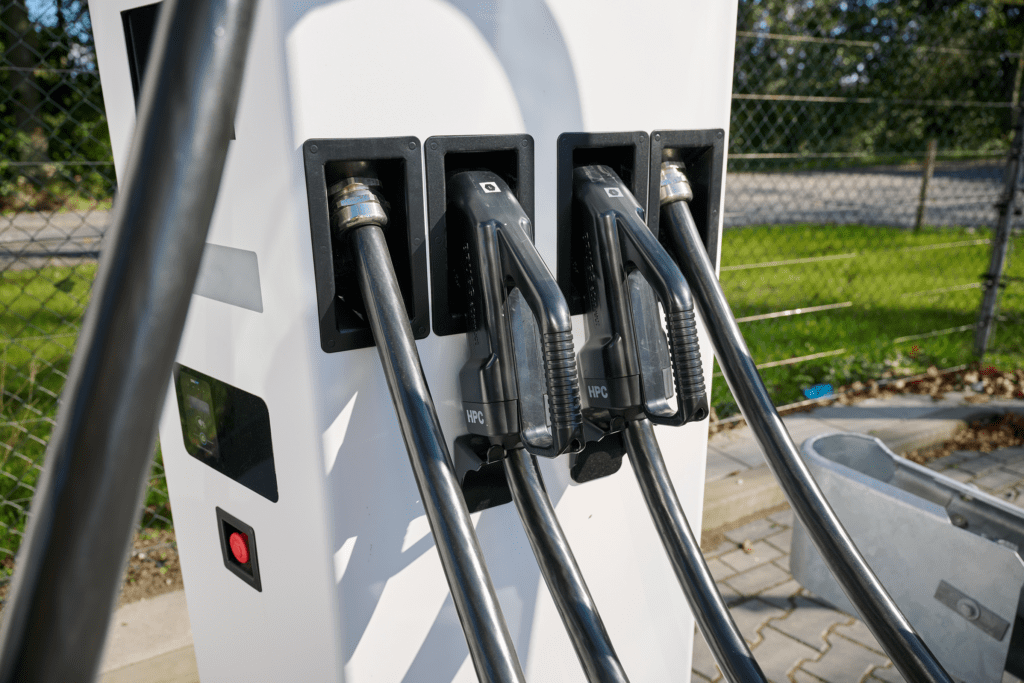
The power grid in Flanders is under strain. Not because there is a shortage of electricity, but because demand for grid capacity is growing faster than the infrastructure can keep up.
Energy Management as a Strategic Real Estate Issue

Grid congestion, electrification, and rising energy costs are forcing property owners to take a fresh look at their portfolios. Energy management is no longer a technical afterthought; it directly affects the value and marketability of your property.
Nomination, curtailment, and imbalance trading

If you own solar panels or a battery system that feeds energy back into the grid, sooner or later you’ll encounter terms like “nomination,” “curtailment,” and “imbalance trading.” They sound technical, but they all revolve around the same central question: How do you ensure that your system generates as much energy as possible without affecting the grid?
Optimization of Self-Consumption (Grid Balancing)
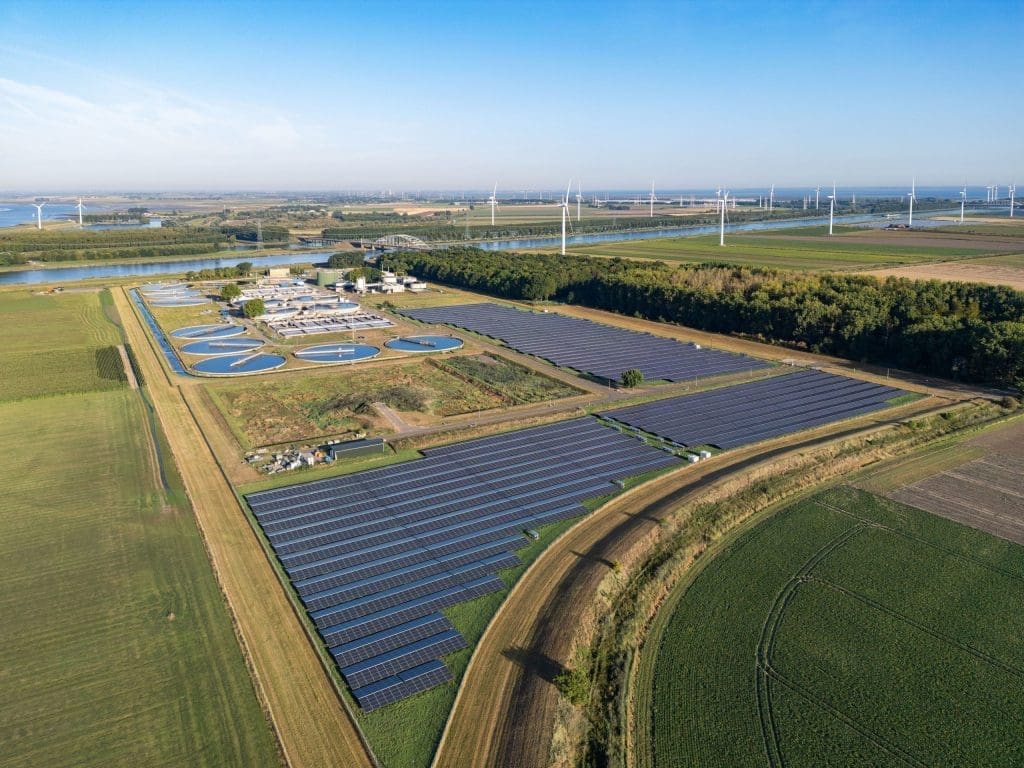
Installing a solar power system on the roof is one thing. But making the most of the energy it generates is another. Many systems feed excess energy back into the grid, while at other times energy is drawn from the grid.
Optimizing self-consumption solves this problem: by making smart use of a battery, as much of the surplus PV energy as possible is used locally right away.
Why flexible deployment of PV systems is becoming the new norm in Belgium.

From April 1, 2026, Green Energy Certificates (GSC) will disappear when electricity prices are negative. Discover the impact this will have on PV systems in Belgium and how smart control reduces costs.
