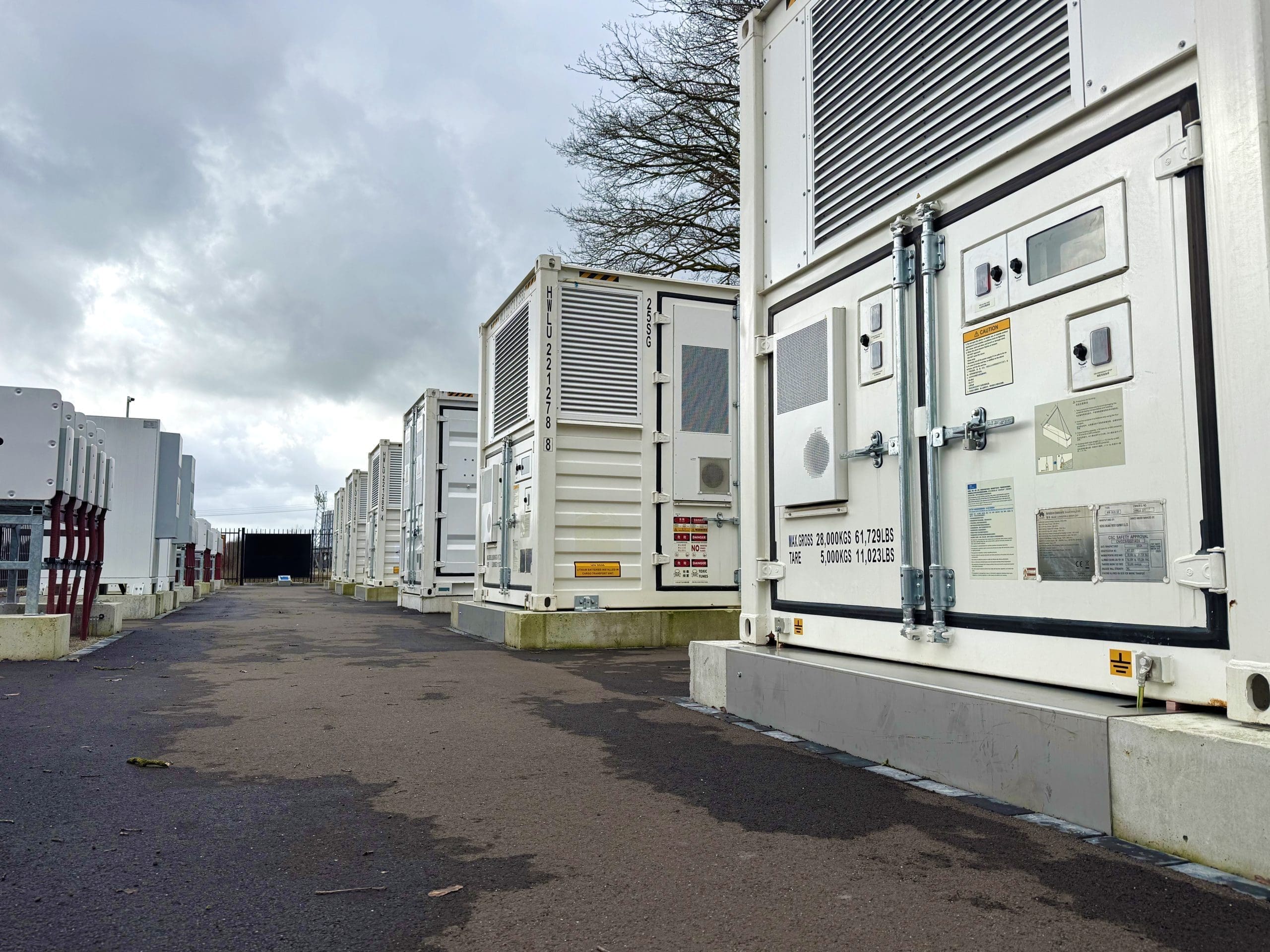
How does Covolt make money from my energy assets?
+
With Flex Trading, Covolt generates returns on your energy assets by trading intelligently on various energy markets and by participating in balancing services.
Which assets are suitable for the Covolt platform?
+
Covolt specializes in commercial battery storage, PV systems, charging stations, and industrial loads with flexible power. Contact us to see if your installation qualifies.
Is Covolt active in both the Netherlands and Belgium?
+
Yes, Covolt operates in both the Netherlands and Belgium and has offices in Veghel and Berchem (Antwerp).
How does Covolt handle my data and privacy?
+
Covolt processes energy data in accordance with the GDPR. Data is used exclusively to optimize your assets and is never shared with third parties without your consent.
How do I get started with Covolt?
+
Request a free energy assessment by clicking the button in the top right corner. Our experts will assess your assets and present a concrete optimization plan—with no obligation.
What is Covolt Horizon?
+
Covolt Horizon is the technological ecosystem that Covolt uses to monitor, control, and provide insights into your renewable energy installation. It consists of three components: the Horizon Dashboard (our internal EMS), the Horizon Control Box (the control unit at your site), and the myHorizon app (your customer portal).
Who is Covolt Horizon intended for?
+
Covolt Horizon is designed for large business customers with one or more renewable energy installations—such as solar panels, battery systems, or charging stations. Whether you’re a farmer, a property manager, or an industrial customer, Horizon adapts to your specific needs.
Do I need to install or configure anything myself?
+
No. Covolt handles the on-site installation of the Control Box and its integration with our platform. Once everything is connected, we take care of the control and monitoring. You don’t have to worry about a thing.
What is the Horizon Dashboard?
+
The Horizon Dashboard is our internal Energy Management System (EMS). Our asset managers use it to proactively monitor and manage your facility. It combines data from your assets with satellite data and market information to identify anomalies early on.
How does Covolt know if there's a problem with my system?
+
Our system continuously monitors operations and automatically generates incident alerts in the event of anomalies—such as a drop in production, a lost connection, or readings that remain at zero for an extended period. Our asset managers receive these alerts immediately.
What strategies does Covolt manage through the dashboard?
+
These include: curtailment (day-ahead and imbalance), imbalance trading, aFRR activation, day-ahead optimization, power control, and congestion management. The strategy we use for you depends on your installation and our mutual agreements.
Will I receive reports on my system's performance?
+
Yes. You can view the data in real time in the MyHorizon app. There you’ll also find periodic reports on performance and returns.
What is the Horizon Control Box?
+
The Horizon Control Box is our on-site control unit. The Control Box communicates with your hardware—inverters, batteries, power meters, and charging stations—and executes control instructions from our platform in real time.
Will the Control Box work with my existing hardware?
+
In most cases, yes. Covolt supports inverters from SolarEdge, Huawei, and Delta, as well as about twenty battery systems. Check our partner page or contact us to see if your hardware is compatible.
What happens if the connection is lost?
+
The Horizon Control Box features local fallback mechanisms that allow your system to continue operating safely even if the connection is lost. Once the connection is restored, the Control Box automatically synchronizes.
Does someone need to come by to update the Control Box software?
+
No. Thanks to our modular plug-in architecture, software updates are rolled out remotely, without the need for a reboot or on-site intervention.
What is the myHorizon app?
+
The myHorizon app is your personal customer portal. You can view real-time energy flows, returns by strategy, battery status, and Covolt’s control settings—all clearly displayed on your mobile device.
How do I install the myHorizon app?
+
The myHorizon app is a Progressive Web App (PWA). You don’t need to download anything from an app store—just open the app in your browser and add it to your home screen. Works on both iOS and Android.
What information can I see in the app?
+
Real-time energy flows, financial results by strategy (imbalance trading, aFRR, curtailment), the active control strategy, battery status and charging/discharging behavior, and downloadable reports.
Can I also use the app on a computer?
+
Yes, the app is also accessible via a desktop browser. It was primarily designed for mobile devices, but it also works on computers.
What's coming soon to the app?
+
Coming soon: real-time insights into nomination processes and day-ahead curtailment. We’ll keep you updated via email as soon as new features go live.
Who can I contact if I have questions about Covolt Horizon?
+
Please contact your regular contact person at Covolt, or email info-nl@covolt.eu or call +31 85 401 57 50.
Is Covolt Horizon also available in Belgium?
+
Yes. Our systems support the Belgian market, including specific communication protocols for Belgian network operators.
How does Covolt ensure that my data is secure?
+
Covolt uses secure authentication (Microsoft Entra ID) and encrypted connections. You can find the privacy statement at covolt.eu.
What is Power Control?
+
Power Control is Covolt’s smart power management system that helps you optimize the use of your own solar energy. The system automatically manages your battery so that you can use as much of the electricity you generate yourself as possible.
Who is Power Control suitable for?
+
For businesses with solar panels and a battery, that have significant energy needs and regularly generate a surplus. Typically: high PV output in the summer, but continuous consumption even in the evenings and during the winter.
When is Power Control not suitable?
+
If you have very little surplus energy (little PV), very little energy demand, or no battery, then there isn't much to optimize.
What is the purpose of self-consumption optimization?
+
Use as much of the electricity you generate yourself as possible. This reduces your dependence on the grid, saves you on transmission costs, and allows you to get the most out of your own green energy.
How can I save money with Power Control?
+
In three areas: (1) Transmission costs — reduced grid draw. (2) Energy taxes & surcharges/rebates — when battery storage, solar power, and consumption are included in the same contract. (3) kWmax costs — peak shaving reduces your monthly peak.
How much can I save?
+
That depends on your energy usage profile, solar panel system, battery capacity, and contract type. Our experts will calculate a business case tailored to your situation.
What is peak shaving?
+
A portion of your battery capacity is reserved for peak periods. As soon as your consumption threatens to exceed your contracted capacity, the battery automatically discharges to smooth out the peak.
Why is peak shaving important?
+
Exceeding your connection capacity can result in hefty fines from your grid operator. Peak shaving helps you avoid this and keeps your grid costs predictable.
Is peak shaving always available?
+
Yes, peak shaving is available as a standard add-on with Power Control, regardless of which strategy you choose.
What is Flex Trading, and how does it relate to Power Control?
+
Flex Trading is an optional add-on to Power Control that allows you to generate additional revenue by trading on the energy market, in addition to optimizing your self-consumption. Not required—Power Control works just fine without it.
What is the difference between Flex Trading Basic and Pro?
+
Basic monitors day-ahead quarter-hourly prices (EPEX) and charges when electricity is cheap—requires a PAP contract with purchased imbalance risk. Pro adjusts in real time based on imbalance prices and offers the highest potential return, but requires an imbalance contract.
Do I need Flex Trading?
+
Not necessarily. The core of Power Control is optimizing self-consumption. Flex Trading is a good option if, in addition to saving money, you also want to actively earn income on the energy market and have flexible capacity available for that purpose.
What is the Covolt Horizon Control Box?
+
The Control Box is the physical link between your system and the Covolt cloud. It collects real-time data from your inverters, battery, and meter, and executes control commands. Comes with a 4G data plan.
What equipment can Covolt control?
+
Solar PV systems, battery systems, and charging stations. The system is brand-independent and suitable for both new and existing installations.
Do I need a specific brand of battery?
+
No, Covolt is brand-independent. We can control various types of batteries, as long as they are compatible with smart control systems.
What do PAP and SAP stand for?
+
PAP (Profile Allocation Point) and SAP (Standard Allocation Point) are contract types offered by your energy supplier. Your choice determines the benefits you can achieve with Power Control.
Should my battery be set to PAP or SAP?
+
SAP: suitable for a nomination contract without Flex Trading Pro, or if you want a separate contract. PAP: suitable if you want Flex Trading Pro, or if you want everything in a single contract.
How do I know if Power Control is right for me?
+
Our experts will analyze your energy usage profile, existing system, and contract structure. Contact us for a no-obligation consultation.
How long does the installation take?
+
Installing the Control Box usually takes half a day. This is followed by onboarding and activation, after which your system is immediately operational.
Can I combine Power Control with other Covolt services?
+
Yes, Power Control is part of the Covolt Flexibility Stack. You can combine multiple services, such as congestion services (CBC, Redispatch) or balancing services (aFRR, FCR).
What Is Asset Management at Covolt?
+
Asset Management is the service through which Covolt monitors, manages, and maintains your facility. Our asset managers combine proactive monitoring with hands-on management: from identifying an anomaly to dispatching a service technician.
What is the difference between Asset Monitoring and Asset Management?
+
Monitoring = continuous monitoring: analyzing data and identifying anomalies. Management goes a step further: active management, including maintenance, visual inspections, and on-site interventions.
For which types of facilities does Covolt offer asset management services?
+
Solar panels (PV), battery storage systems (BESS), and charging stations. Both simple and complex, multi-unit installations.
Can I choose which parts I want to purchase?
+
Yes, Covolt offers customized solutions. Together, we’ll determine which combination of services best suits your system and needs.
How does Covolt monitor my installation?
+
Through the Horizon Dashboard, combined with satellite data and analytics software. This allows us to identify anomalies at a granular level—from an underperforming string of solar panels to a communication failure in a battery.
Is my system monitored 24/7?
+
Yes. The Horizon Dashboard continuously monitors and automatically generates alerts in the event of anomalies. Our asset managers are notified immediately.
How quickly is a malfunction detected?
+
Anomalies are detected in real time. Depending on the type of incident, an alert is generated immediately and an asset manager takes action.
As a customer, do I have access to a dashboard myself?
+
Yes, with the myHorizon app, you can monitor your system’s energy flows, production, and performance in real time—without having to delve into technical systems yourself.
What is the advantage over my inverter's software?
+
Covolt combines multiple data sources, including satellite data, and performs detailed analysis. This allows it to detect subtle anomalies that standard inverter software misses.
What does Covolt do when a problem is detected?
+
We assess the severity and cause. Depending on the situation, we either resolve the issue remotely (via a firmware update or reset through the Control Box) or dispatch a service technician to the site.
Are preventive inspections conducted?
+
Yes. Covolt proactively conducts visual inspections. This extends the service life of your system and reduces repair costs in the long run.
Can Covolt also coordinate maintenance and repairs?
+
Yes. When physical intervention is required, we coordinate the deployment of service staff. You don’t have to arrange for contractors or technicians yourself.
How is safety ensured?
+
The on-site Control Box has local fallback mechanisms to ensure safe operation in the event of disruptions. Our asset managers ensure that the installation always operates within legal and technical limits.
Will I receive reports about my system?
+
Yes. Covolt prepares regular reports on technical and financial performance. These are also available via the myHorizon app.
What is included in a report?
+
Energy generated (kWh), incidents and resolutions, uptime, and—depending on your services—financial returns per strategy, such as curtailment, imbalance trading, or aFRR.
How much does Asset Management cost at Covolt?
+
Prices vary depending on the scope of the project and the services selected. Please contact us for a customized quote.
Can I combine Asset Management with other Covolt services?
+
Yes, and most customers do just that. Asset Management integrates seamlessly with our Aggregator Services, such as imbalance trading, aFRR, and day-ahead optimization.
I'm already with another provider. Can Covolt take over this service?
+
In many cases, that is possible. Please contact us, and we’ll discuss what’s needed to ensure a smooth transition.