
Peak Load: Too Much at Once?
Stay in control of your power.
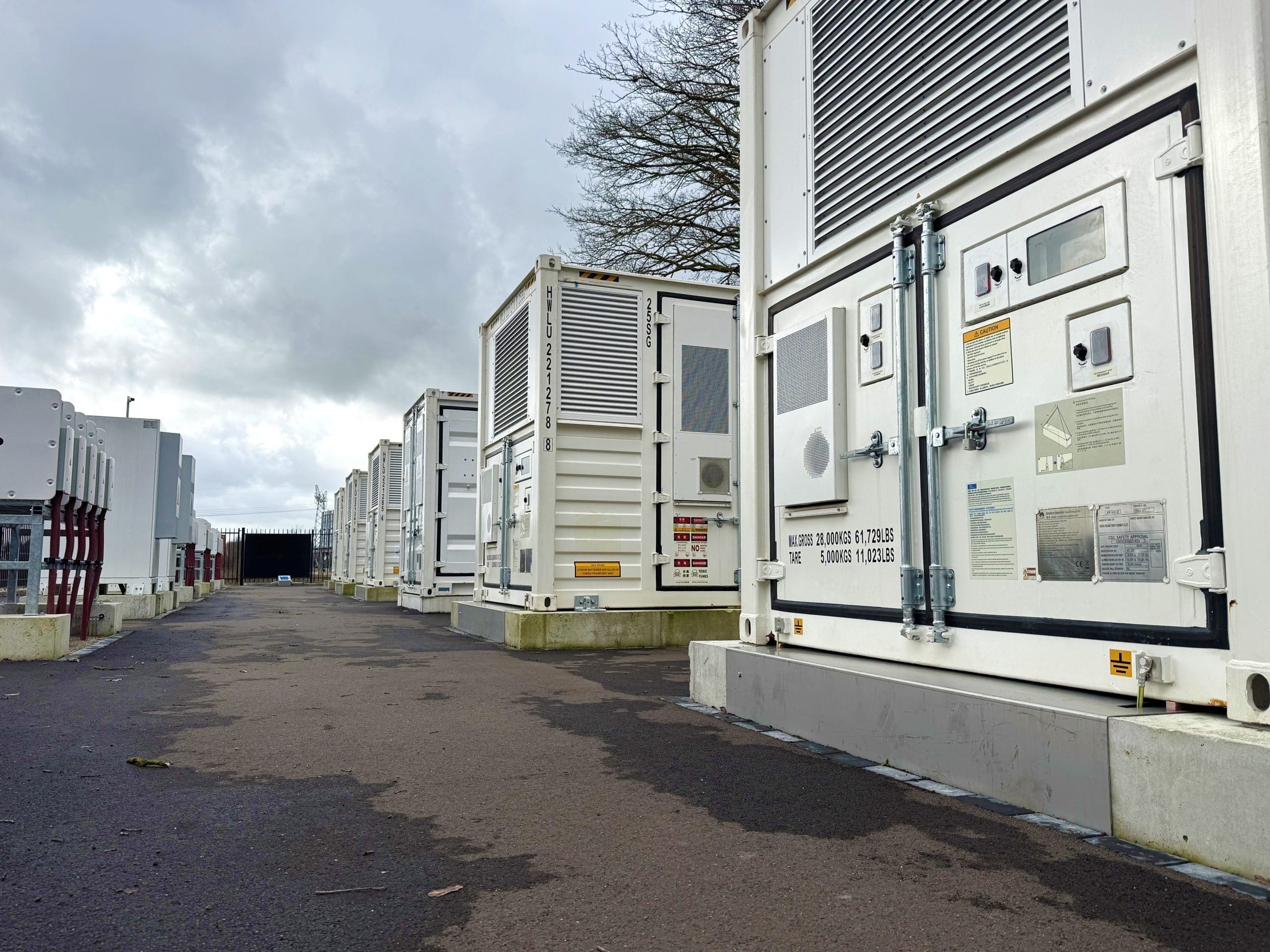
Peak load is the moment when your business draws a large amount of electrical power all at once. This power is measured in kW, not in kWh. High peaks put a strain on your connection and can affect your grid costs. With smart control, charging management, and—where appropriate—a battery, you can reduce your peaks: peak shaving.
Does this sound familiar to you?
- You want to electrify your fleet, but additional charging capacity isn't a given.
- You're installing new machines, charging stations, or heat pumps, but your electrical connection isn't designed to handle them.
- You're not quite sure when your power demand is at its highest.
Understanding the Problem
What is peak load?
Peak load refers to a moment when a company draws a large amount of electrical power at once. It refers to the power drawn simultaneously, not to the total energy consumption over a period of time.
The Difference Between kW and kWh
kW is power: the amount of electrical power you draw at any given moment. kWh is energy: the total amount you consume. Ten 10-kW machines, each running for one hour, consume a total of 100 kWh. If they run at the same time, they draw a combined 100 kW. By staggering their operating times, you can reduce the amount of power drawn simultaneously.
How does peak load affect your service and utility bills?
High peaks can put a strain on your connection and affect your utility bills. The extent of this depends on your connection, your contract, and the rates.
Peak load or grid congestion?
Peak load refers to your own power demand. Grid congestion refers to limited capacity on the power grid. These are different issues; managing your peaks can be part of a strategy within the available grid capacity.
From Challenge to Solution
Reducing Peak Load with Peak Shaving
Peak shaving means smoothing out power peaks. The best approach depends on your processes, connection, and installation.
Distribute Power Consumption More Effectively with Power Control
We're investigating which processes or charging times can be shifted so that not everything draws power at the same time. Power Control helps you adjust your energy usage accordingly.
Smart Charging with Charge Management
Coordinate charging times with your available power capacity and your business’s needs. Together, we’ll explore which charging control options are available for your system.
From Measurement to Management
Here's how we do it
01 / Insight
We analyze your consumption profile, your connection, and the times when power demand is high.
02 / Possibilities
We're looking at which processes can be shifted, what priority charging stations will be given, and what storage capacity is available.
03 / Follow-up
We agree on the investment strategy within the framework of your company's terms and conditions and monitor the development of your investment profile.
Recognition in Your Industry
When do your peak moments occur?
Logistics & EVs
You want to electrify your fleet, but additional charging capacity isn't a given. Explore how charging times can be spread out.
Agricultural
Power generation, storage, and operational processes must fit within the available capacity. Identify where there is room to spread out power demands.
Retail
New charging stations and electrification require space in addition to the store's existing energy consumption.
Good to know
Frequently Asked Questions About Peak Load
Discuss your peak load
Where can you find room for improvement in your energy usage? Together, we’ll look at your usage peaks, your service connection, and how managing your usage can make a difference.
