
December 8, 2025
Redispatch: Smart Control for the Electricity Grid

Published by
Willian van de Sande
Covolt Netherlands
Our electricity grid is becoming increasingly complex. With the growth of solar panels, wind turbines, and electric cars, the way we produce and use electricity is changing dramatically. Sometimes there is too much electricity in certain places, while elsewhere there is a shortage. The electricity grid can then become congested when too much electricity has to pass through certain cables.
We call this problem of overload congestion. Just as traffic jams on the road cause traffic to come to a standstill, congestion in the electricity grid can jeopardize the power supply. Fortunately, we have a smart solution: redispatch. This is a form of congestion management in which grid operators work together with companies to keep the electricity grid in balance.
What is redispatch in the energy market?
Redispatch keeps the electricity grid in balance. The grid operator asks companies to temporarily adjust their electricity consumption or production. This relieves pressure on overloaded parts of the grid.
The beauty of redispatch is that everyone benefits. Companies earn money by being flexible, the grid operator can postpone expensive grid expansions, and ultimately all electricity users pay less because the system becomes more efficient.
Why is redispatch important?
The amount of power produced must always equal the amount used, and cables must not be overloaded. Otherwise, they may become damaged or even fail, leading to power outages.
With more and more solar panels and wind turbines, this is becoming increasingly complex. These green energy sources do not always produce electricity when we need it. On sunny and windy days, they sometimes generate so much electricity that certain cables are at risk of becoming overloaded. Redispatch ensures that the electricity is better distributed across the grid, so that no single cable is overloaded.
The energy transition is making our power supply increasingly green, but also more unpredictable. Redispatch is therefore an essential part of the modern electricity grid.
Compensation for flexible energy consumption
The grid operator monitors the grid 24/7. If problems arise, they contact companies that can help. These companies receive compensation consisting of two parts: availability fee (for being willing to help) and activation fee (for actually adjusting consumption).
The amount of the compensation is usually considerably more favorable than the market price applicable at that time.
Redispatch in the future
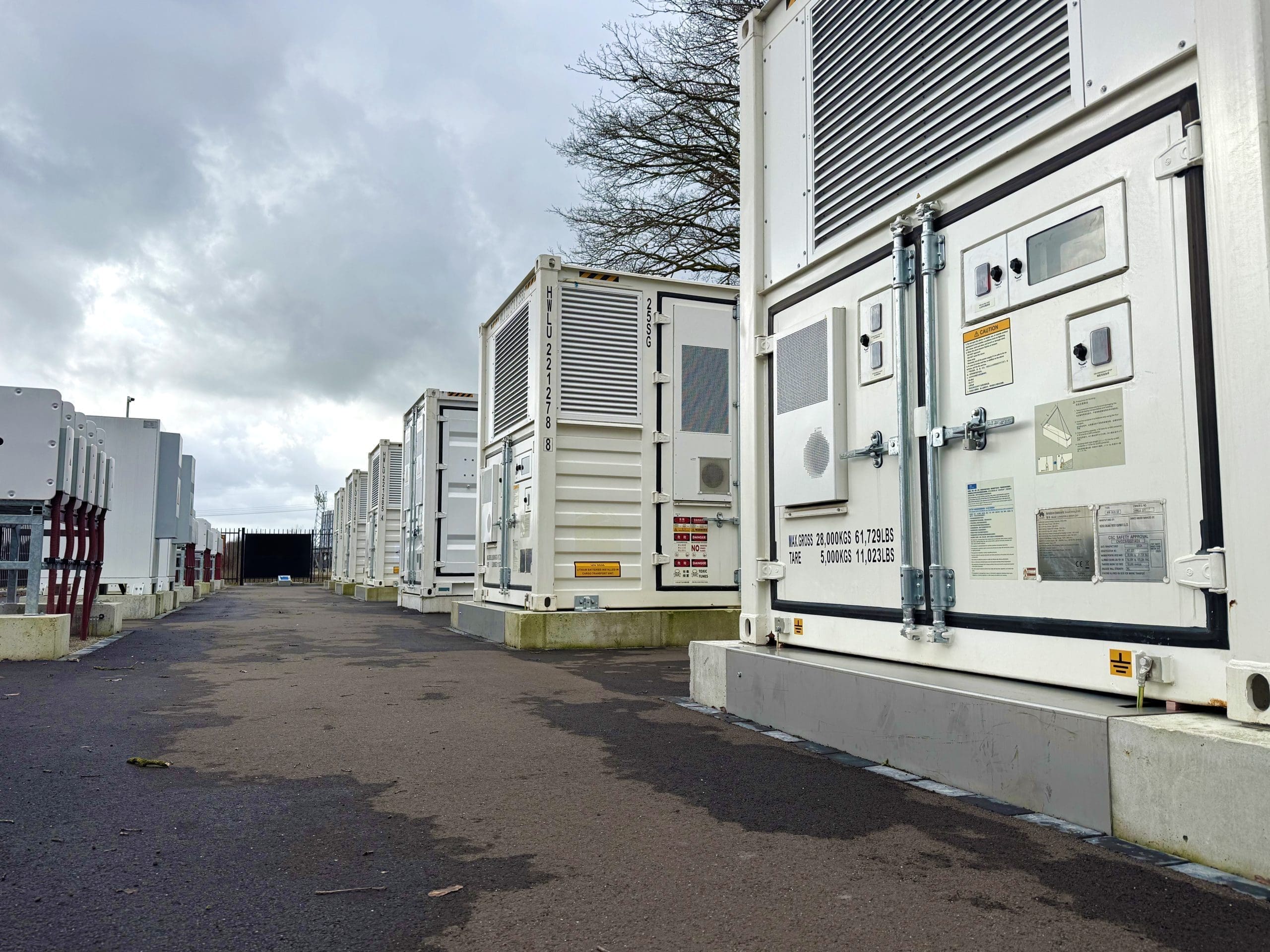
The redispatch market is growing explosively due to the energy transition. More solar panels, wind farms, and electric cars mean a greater need for flexibility. New technologies such as batteries and smart charging stations are becoming important players.
For companies, redispatch can grow from a source of additional income to a significant revenue stream. The government encourages this because it is cheaper than laying new cables everywhere.
Are you curious about how your company can contribute to a more stable power grid and how you can earn money with redispatch? Click here for more information or contact us
Ready to get a handle on your
energy performance?
Do you have any questions or want to know what’s best for your situation?
We’d be happy to discuss your options with you, with no obligation.
